
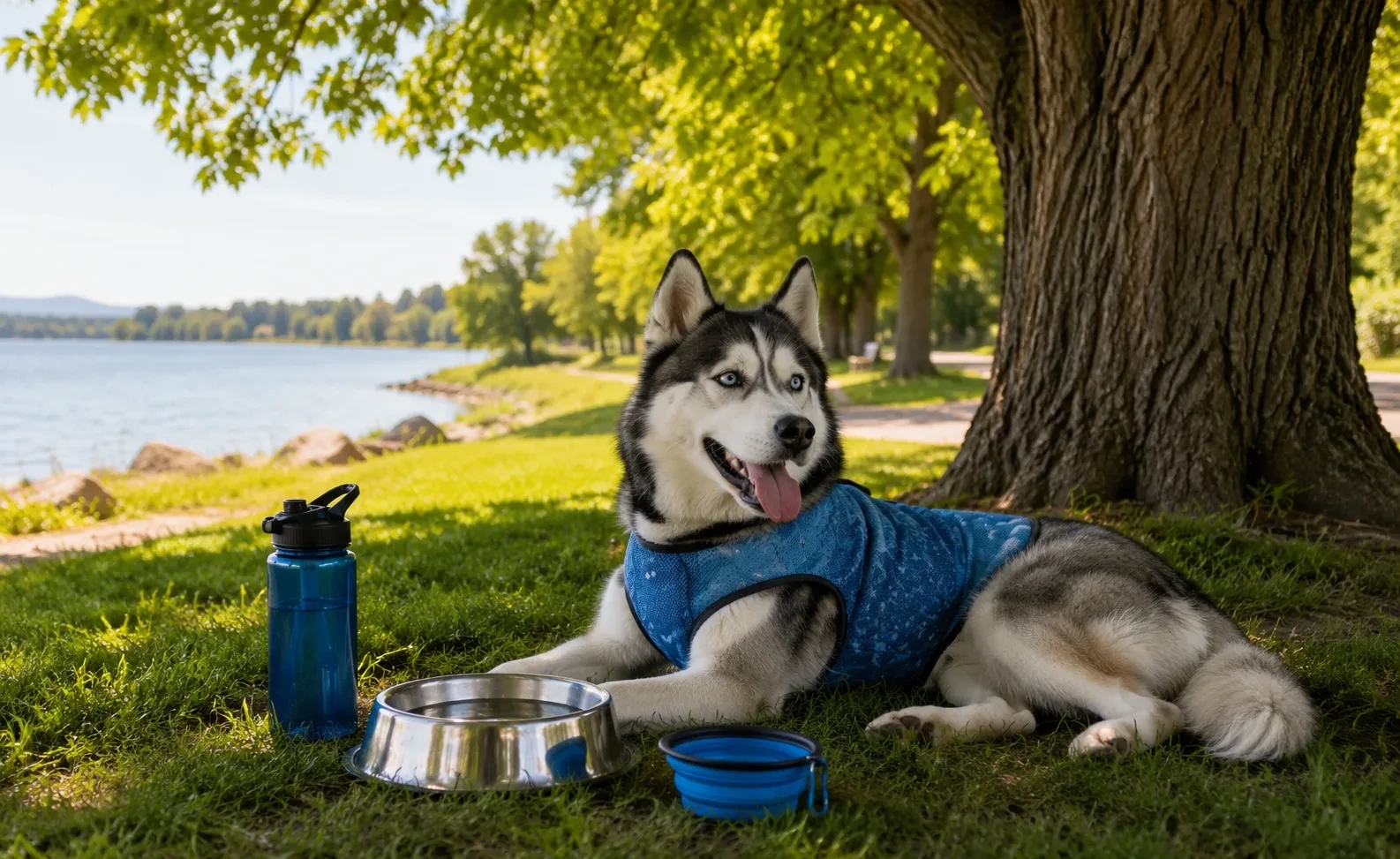
Keeping Dogs Safe in Summer: Cooling Vests, Hydration Tips, and Smart Strategies to Prevent Overheating
Summer is a favorite season for many pet owners and their dogs. Longer days, warmer temperatures, and more opportunities for outdoor activities make it the perfect time for walks, hikes, backyard play sessions, and family adventures. However, while summer can be enjoyable, it also presents unique challenges for dogs. Unlike humans, dogs are not as efficient at regulating their body temperature, making them particularly vulnerable to overheating.
Heat stress, heat exhaustion, and heat stroke are serious conditions that can develop quickly during hot weather. Even a short period of excessive heat exposure can become dangerous if preventive measures are not taken. Fortunately, there are many ways pet owners can help their dogs stay cool and comfortable. Cooling vests, proper hydration, shaded environments, and thoughtful exercise planning can significantly reduce the risk of heat-related illness.
At Sunshine Hills Veterinary Clinic, we encourage pet owners to prepare for warmer weather before temperatures begin to rise. Understanding how heat affects dogs and implementing practical summer safety strategies can help ensure your pet enjoys the season safely.
Why Dogs Struggle with Heat
Humans cool themselves primarily through sweating. Dogs, however, rely mainly on panting and limited sweat gland activity located in their paw pads. While panting helps release body heat, it becomes less effective when temperatures and humidity levels increase.
As a dog's body temperature rises, the cooling system must work harder. If heat accumulates faster than it can be released, overheating can occur.
Several factors increase the risk of overheating, including:
- Thick or double-coated fur
- Brachycephalic (flat-faced) breeds
- Obesity
- Advanced age
- Respiratory disease
- Heart conditions
- High levels of physical activity
- Limited access to shade and water
Even healthy dogs can experience heat-related problems when exposed to excessive temperatures.
Understanding Heat-Related Illnesses
Heat-related illnesses typically develop in stages. Recognizing the signs early can prevent serious complications.
Heat Stress
Heat stress is the earliest stage of overheating.
Common symptoms include:
- Increased panting
- Seeking cool surfaces
- Mild restlessness
- Increased thirst
- Reduced energy
Prompt intervention at this stage is often highly effective.
Heat Exhaustion
As body temperature continues to rise, symptoms may worsen.
Signs include:
- Excessive panting
- Heavy drooling
- Weakness
- Vomiting
- Diarrhea
- Elevated heart rate
- Reduced coordination
Veterinary attention may be required to prevent further progression.
Heat Stroke
Heat stroke is a medical emergency.
Symptoms may include:
- Collapse
- Seizures
- Disorientation
- Bright red or pale gums
- Difficulty breathing
- Loss of consciousness
Immediate veterinary treatment is critical.
Cooling Vests: A Valuable Summer Tool
Cooling vests have become increasingly popular among pet owners, and for good reason. These specially designed garments can help dogs stay comfortable during warm-weather activities.
How Cooling Vests Work
Most cooling vests use evaporative cooling technology.
The vest is soaked in cool water before use. As the water evaporates, it draws heat away from the dog's body, helping lower skin temperature and improve comfort.
Benefits of Cooling Vests
Enhanced Comfort
Cooling vests can make outdoor walks and activities more enjoyable during warmer weather.
Temperature Support
While not a replacement for proper heat precautions, cooling vests provide an additional layer of protection.
Helpful for Vulnerable Dogs
Senior dogs, overweight pets, and brachycephalic breeds often benefit significantly from cooling assistance.
Improved Exercise Tolerance
Many dogs remain more comfortable during physical activity when wearing a properly fitted cooling vest.
Choosing the Right Cooling Vest
When shopping for a cooling vest, consider:
- Lightweight materials
- Breathable construction
- Adjustable straps
- Proper sizing
- Durable fabrics
A vest should fit comfortably without restricting movement or breathing.
Hydration: The Foundation of Summer Safety
Hydration plays an essential role in helping dogs regulate body temperature.
Without adequate water intake, dogs become more susceptible to overheating and heat-related illness.
Encouraging Healthy Hydration
Some dogs naturally drink less than they should, especially when distracted by outdoor activities.
Helpful hydration strategies include:
- Providing fresh water at all times
- Carrying portable water bottles during walks
- Offering water frequently during exercise
- Bringing collapsible travel bowls
- Monitoring water consumption during hot weather
Maintaining proper hydration is one of the simplest and most effective ways to support your dog's health during summer.
Timing Outdoor Activities Wisely
When temperatures rise, adjusting your schedule can significantly reduce heat exposure.
Walk During Cooler Hours
Early mornings and evenings are generally the safest times for outdoor exercise.
These periods typically feature:
- Lower temperatures
- Cooler surfaces
- Reduced sun intensity
Avoid Peak Heat
Midday temperatures can quickly become dangerous.
Whenever possible, limit strenuous outdoor activity during the hottest part of the day.
Monitor Humidity
Humidity can be just as important as temperature.
High humidity reduces the effectiveness of panting, making it more difficult for dogs to cool themselves.
The Importance of Shade
Shade is one of the most valuable resources for preventing overheating.
Dogs spending time outdoors should always have access to shaded areas.
Effective Shade Solutions
- Trees
- Covered patios
- Shade sails
- Outdoor canopies
- Covered kennels
Providing multiple shaded options allows dogs to move freely while remaining protected.
Additional Cooling Products for Dogs
Cooling vests work best when combined with other cooling aids.
Cooling Mats
Cooling mats provide a cool resting surface and can be used indoors or outdoors.
Many models contain pressure-activated cooling gel that remains cool without electricity.
Elevated Beds
Raised beds improve airflow underneath the body, helping reduce heat retention.
Cooling Towels
Moist cooling towels placed around the neck or chest can provide temporary relief during
supervised activities.
Portable Fans
Portable fans help improve airflow during travel, camping trips, or outdoor gatherings.
Frozen Treats for Cooling Relief
Frozen treats can help lower body temperature while providing enrichment.
Popular options include:
- Frozen dog-safe broth cubes
- Ice cubes
- Frozen watermelon pieces
- Frozen fruit treats
- Veterinary-approved frozen snacks
Always ensure ingredients are safe for canine consumption.
Protecting Paw Pads from Hot Surfaces
Ground surfaces often become much hotter than the surrounding air temperature.
Pavement, asphalt, and concrete can quickly reach temperatures capable of causing burns.
The Seven-Second Test
Place your hand on the surface for seven seconds.
If it feels too hot for your hand, it is too hot for your dog's paws.
Burned paw pads can be painful and may require veterinary treatment.
Never Leave a Dog in a Parked Vehicle
One of the most preventable causes of heat stroke is leaving a dog inside a parked vehicle.
Even with partially open windows, vehicle temperatures can rise rapidly.
Within minutes, the interior may reach dangerous levels.
The safest rule is simple:
Never leave your dog unattended in a parked vehicle.
Dogs That Require Extra Heat Precautions
Certain breeds and individuals are more susceptible to overheating.
Examples include:
- French Bulldogs
- Bulldogs
- Pugs
- Boston Terriers
- Boxers
- Shih Tzus
- Chow Chows
- Huskies
- Newfoundlands
Older pets and those with chronic medical conditions also require additional monitoring.
Recognizing Warning Signs Early
Quick recognition often prevents serious complications.
Watch for:
- Excessive panting
- Heavy drooling
- Bright red tongue
- Weakness
- Staggering
- Vomiting
- Confusion
Early intervention can make a significant difference.
What to Do If Your Dog Overheats
If you suspect your dog is becoming overheated:
Move to a Cool Environment
Relocate your dog to a shaded or air-conditioned area immediately.
Offer Cool Water
Allow small amounts of cool water.
Avoid forcing your dog to drink.
Apply Cool Water
Use cool—not ice-cold—water on:
- Belly
- Neck
- Paw pads
- Groin area
Increase Airflow
Use fans to support cooling.
Contact Your Veterinarian
Even if symptoms improve, veterinary evaluation is recommended after significant overheating.
Creating a Summer Safety Plan
Preparation is one of the best ways to prevent heat-related emergencies.
Your plan may include:
- Daily weather monitoring
- Hydration routines
- Cooling vest use
- Access to shade
- Exercise schedule adjustments
- Emergency veterinary contact information
A proactive approach helps reduce risks throughout the summer.
Benefits of Heat Prevention
Preventing overheating helps support:
- Comfortable exercise
- Healthy cardiovascular function
- Reduced physical stress
- Better quality of life
- Safer outdoor activities
Simple precautions can have a significant impact on your dog's health and comfort.
Conclusion
Summer should be a time of fun, exploration, and memorable moments with your dog. However, rising temperatures require pet owners to take additional precautions to ensure their pets remain safe and comfortable. Because dogs rely heavily on panting to regulate body temperature, they are far more susceptible to heat-related illnesses than many people realize.
Cooling vests, proper hydration, shaded rest areas, cooling accessories, and thoughtful activity scheduling are all valuable tools in preventing overheating. When combined with careful observation and prompt action when symptoms arise, these strategies can significantly reduce the risk of heat stress and heat stroke.
By understanding your dog's individual needs and implementing a comprehensive summer safety plan, you can help your pet enjoy the season while minimizing health risks. If you have questions about heat safety, hydration, or your dog's ability to tolerate warm weather, the team at Sunshine Hills Veterinary Clinic is always available to provide guidance and support for your pet's ongoing health and well-being.