
Recognizing Early Urinary Problems Before They Become Emergencies
Summer brings longer days, warmer temperatures, and plenty of opportunities for families to enjoy the outdoors. While many people associate heat-related illnesses with dogs, cats are equally vulnerable to health complications caused by rising temperatures. One of the most common concerns during the warmer months is dehydration, which can quickly contribute to cat urinary issues if left unaddressed.
Cats naturally have a low thirst drive because their ancestors obtained much of their moisture from prey. Even today, many domestic cats do not drink enough water, especially if they primarily eat dry food. During periods of hot weather, this natural tendency can become problematic. Reduced water intake causes urine to become highly concentrated, increasing the likelihood of urinary irritation, crystal formation, infections, and potentially life-threatening urinary blockages.
Understanding the connection between dehydration and urinary health allows cat owners to recognize early warning signs before they become serious emergencies. Prompt veterinary attention and preventive care can significantly improve your cat's long-term health and comfort.
Why Summer Increases the Risk of Cat Urinary Issues
Higher temperatures cause cats to lose more body fluids through normal respiration and daily activities. Although cats are excellent at conserving water, excessive heat places additional demands on their bodies.
When cats do not replace lost fluids by drinking enough water, dehydration develops. Concentrated urine places extra strain on the kidneys and urinary tract while encouraging mineral crystals to form within the bladder. Over time, these crystals may irritate the bladder lining or combine into larger stones that interfere with normal urination.
Male cats face an even greater risk because their urethra is much narrower than that of females. Even small crystals or mucus plugs can partially or completely block urine flow, creating a medical emergency that requires immediate veterinary treatment.
Understanding Feline Lower Urinary Tract Disease (FLUTD)
Many urinary problems in cats fall under the term Feline Lower Urinary Tract Disease (FLUTD). Rather than being a single disease, FLUTD describes a group of conditions affecting the bladder and urethra.
Common causes include:
- Bladder inflammation
- Urinary crystals
- Bladder stones
- Bacterial infections
- Stress-related urinary disease
- Urethral obstruction
Hot weather and dehydration may contribute to several of these conditions by increasing urine concentration and reducing normal bladder flushing.
Early Signs of Dehydration in Cats
Cats often hide illness exceptionally well, making early detection especially important.
Some of the first signs of dehydration include:
- Dry or sticky gums
- Sunken eyes
- Reduced skin elasticity
- Sleeping more than usual
- Reduced appetite
- Increased lethargy
- Less interest in playing
- Faster breathing during warm weather
These symptoms may appear subtle initially, but they often worsen if hydration is not restored.
Common Signs of Cat Urinary Issues
Urinary problems frequently begin with behavioural changes before more obvious symptoms develop.
Watch carefully for:
- Frequent trips to the litter box
- Producing only small amounts of urine
- Straining while urinating
- Crying or vocalizing in the litter box
- Blood in the urine
- Urinating outside the litter box
- Excessive licking of the genital area
- Strong-smelling urine
- Reduced urine production
- Complete inability to urinate
Any inability to pass urine should always be treated as an emergency.
Why Urinary Blockages Are So Dangerous
Urinary blockages occur most commonly in male cats because of their narrow urethra.
When urine cannot leave the bladder, toxins rapidly build up within the bloodstream. Pressure inside the bladder continues increasing, eventually affecting kidney function and electrolyte balance.
Without emergency treatment, blocked cats may develop:
- Severe pain
- Vomiting
- Collapse
- Heart rhythm abnormalities
- Kidney failure
- Life-threatening complications
A urinary blockage can become fatal within 24 to 48 hours, making immediate veterinary intervention critical.
Which Cats Are at Higher Risk?
Although any cat can develop urinary disease, certain factors increase the likelihood.
Higher-risk cats include:
- Male cats
- Indoor-only cats
- Overweight cats
- Middle-aged cats
- Cats eating primarily dry food
- Cats with previous urinary problems
- Cats experiencing stress
- Senior cats
Knowing whether your cat falls into one of these categories allows you to monitor them more closely during warmer months.
The Importance of Proper Hydration
Hydration plays a major role in maintaining healthy kidneys and bladder function.
Adequate water intake helps:
- Dilute urine
- Flush bacteria
- Reduce crystal formation
- Minimize bladder irritation
- Support kidney function
- Improve overall urinary health
Encouraging cats to drink more water is one of the simplest yet most effective ways to reduce the risk of many cat urinary issues.
Easy Ways to Encourage Your Cat to Drink More Water
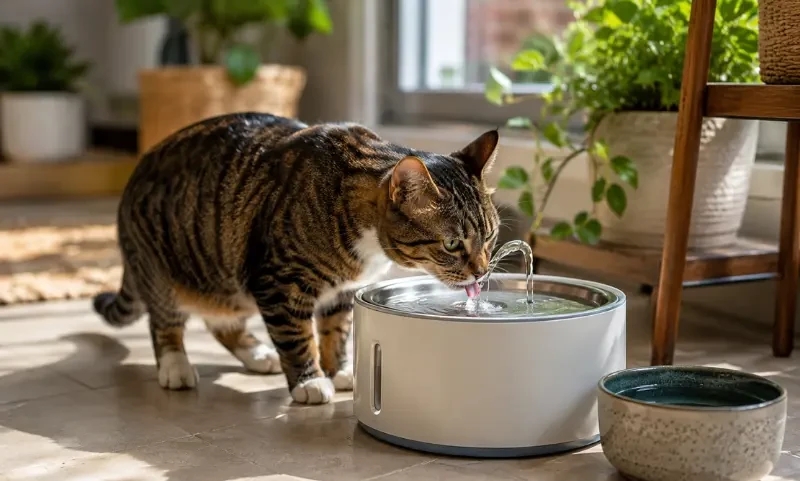
Many cats prefer fresh, moving water rather than stagnant bowls. Providing multiple water stations throughout the home encourages frequent drinking.
Consider placing bowls in quiet locations away from food dishes and litter boxes. Some cats enjoy wide ceramic or stainless-steel bowls that prevent whisker fatigue.
Water fountains can also increase interest because circulating water remains fresh and appealing.
Adding moisture through canned food is another excellent strategy. Wet diets naturally contain significantly more water than dry kibble and can greatly increase daily fluid intake.
On particularly hot days, replacing water several times daily ensures it stays cool and inviting.
Summer Heat and Indoor Cats
Many owners assume indoor cats are protected from heat-related illness. However, homes without adequate ventilation or air conditioning can become surprisingly warm during summer.
Ensure your cat has access to cool resting areas away from direct sunlight. Close blinds during the hottest parts of the day and provide fresh water in multiple rooms.
Cats should always have access to shaded, well-ventilated environments where they can regulate their body temperature comfortably.
How Veterinarians Diagnose Cat Urinary Issues
If your cat begins showing signs of urinary discomfort or dehydration, a veterinary examination is the safest way to determine the underlying cause. Because many urinary conditions produce similar symptoms, diagnostic testing is often necessary to develop an effective treatment plan.
Your veterinarian may recommend:
- A comprehensive physical examination
- Urinalysis to evaluate urine concentration, crystals, bacteria, or blood
- Blood tests to assess kidney function and hydration status
- X-rays or ultrasound to identify bladder stones or urinary blockages
- Urine culture if a bacterial infection is suspected
These diagnostic tools help distinguish between urinary tract infections, bladder inflammation, crystal formation, stones, kidney disease, and other conditions that may require different treatment approaches.
Treatment Depends on the Underlying Cause
There is no single treatment for all cat urinary issues. Your veterinarian will tailor therapy based on your cat's diagnosis, overall health, and the severity of the condition.
Treatment may include:
- Intravenous or subcutaneous fluids to correct dehydration
- Prescription urinary diets formulated to dissolve certain crystals or reduce recurrence
- Pain management medications
- Anti-inflammatory medication when appropriate
- Antibiotics if a bacterial infection is confirmed
- Medications to relax the urinary tract
- Hospitalization for close monitoring
- Urinary catheterization for blocked cats
- Surgery in cases involving bladder stones or severe obstruction
Cats that receive prompt treatment generally recover much more successfully than those whose care is delayed.
Nutrition Plays an Important Role
Diet has a significant impact on feline urinary health. Feeding a balanced, veterinarian-recommended diet helps maintain proper urine composition and supports healthy bladder function.
For cats that have experienced previous urinary problems, your veterinarian may recommend a prescription urinary diet. These specially formulated foods are designed to maintain an optimal urinary pH and reduce the formation of certain types of crystals.
If your cat primarily eats dry kibble, incorporating wet food into their daily routine may also help increase overall water intake. Many cats consume substantially more moisture from canned food than they do by drinking water alone.
Avoid making dietary changes without veterinary guidance, especially if your cat has an existing urinary condition.
Reducing Stress Can Help Protect Urinary Health
Stress is an often-overlooked contributor to urinary disease in cats. Changes in routine, new pets, moving homes, loud noises, or household disruptions can all affect a cat's emotional well-being.
Stress-related bladder inflammation, also known as feline idiopathic cystitis, is one of the most common urinary conditions seen in cats.
To reduce stress:
- Maintain a consistent daily routine.
- Provide quiet resting areas.
- Keep litter boxes clean and easily accessible.
- Offer environmental enrichment such as scratching posts, climbing trees, and interactive toys.
- Introduce household changes gradually whenever possible.
A calm environment supports both emotional and physical health.
Preventing Dehydration During Hot Weather
Preventing dehydration is far easier than treating its complications. During the summer months, monitor your cat closely and encourage regular water consumption.
Helpful prevention tips include:
- Place several fresh water bowls throughout your home.
- Refill water frequently to keep it cool and clean.
- Consider using a pet water fountain.
- Feed wet food daily if recommended by your veterinarian.
- Keep indoor temperatures comfortable.
- Ensure outdoor cats always have access to shaded areas and fresh water.
- Monitor litter box habits every day.
Even small changes in urination can provide valuable clues that something may be wrong.
When Should You Visit an Animal Hospital in Delta BC?
Some urinary conditions require immediate veterinary attention and should never be monitored at home.
Seek prompt care if your cat:
- Cannot produce urine
- Repeatedly strains in the litter box
- Cries while attempting to urinate
- Has blood in the urine
- Stops eating
- Becomes unusually lethargic
- Vomits repeatedly
- Appears painful or restless
- Shows signs of severe dehydration
A complete urinary blockage is one of the most serious emergencies seen in cats. Delaying treatment can quickly lead to kidney damage, electrolyte imbalances, and life-threatening complications.
If you notice any of these symptoms, contact Sunshine Vet, your trusted Animal hospital in Delta BC, as soon as possible. Early diagnosis and treatment can significantly improve your cat's recovery and help prevent long-term health issues.
Routine Wellness Exams Make a Difference
Many urinary problems develop gradually before obvious symptoms appear. Regular wellness examinations allow your veterinarian to identify subtle changes in your cat's health before they become emergencies.
Routine checkups provide an opportunity to:
- Evaluate kidney function
- Monitor body weight
- Assess hydration
- Discuss dietary recommendations
- Detect early urinary abnormalities
- Review litter box habits
- Address any changes in behaviour
Preventive veterinary care is one of the most effective ways to support lifelong urinary health.
Conclusion
Warm summer temperatures can increase the risk of dehydration, making cat urinary issues more common during the hottest months of the year. Because cats naturally drink less water than many other pets, even mild dehydration can contribute to bladder irritation, crystal formation, urinary tract disease, and potentially life-threatening blockages.
By encouraging regular water intake, providing moisture-rich nutrition, minimizing stress, monitoring litter box habits, and recognizing early warning signs, you can greatly reduce your cat's risk of developing serious urinary problems.
If your cat begins straining to urinate, visits the litter box more frequently, has blood in the urine, or shows signs of dehydration, don't wait for the symptoms to worsen. Prompt veterinary care can prevent complications and improve your cat's comfort and recovery.
At Sunshine Vet, our experienced team is committed to helping cats stay healthy through every season. Whether your pet needs a wellness examination, diagnostic testing, or urgent treatment for urinary concerns, our compassionate professionals are here to provide personalized care.
If you're looking for a trusted Animal hospital in Delta BC, we're here to help your feline companion enjoy a healthier, happier, and more comfortable life all year long.