
Summer Pet Care Essentials: Keeping Your Pets Cool, Hydrated, Calm, and Protected
Summer is one of the most enjoyable seasons for pets and their families. Longer days, outdoor adventures, and backyard relaxation create countless opportunities to spend quality time together. However, rising temperatures, increased sun exposure, and seasonal celebrations can also introduce health risks that many pet owners may overlook.
At Sunshine Hills Veterinary Clinic, we encourage pet owners to take a proactive approach to summer wellness. Simple preventive measures can help protect dogs and cats from overheating, dehydration, fireworks anxiety, and harmful ultraviolet (UV) exposure.
By understanding these seasonal concerns, you can help your furry companions enjoy a safer and more comfortable summer.
Beat the Heat: Helping Dogs Stay Cool and Comfortable
Dogs are particularly vulnerable to heat-related illnesses because they cannot regulate body temperature as efficiently as humans. During hot weather, excessive exercise, prolonged sun exposure, and high humidity levels can quickly lead to overheating.
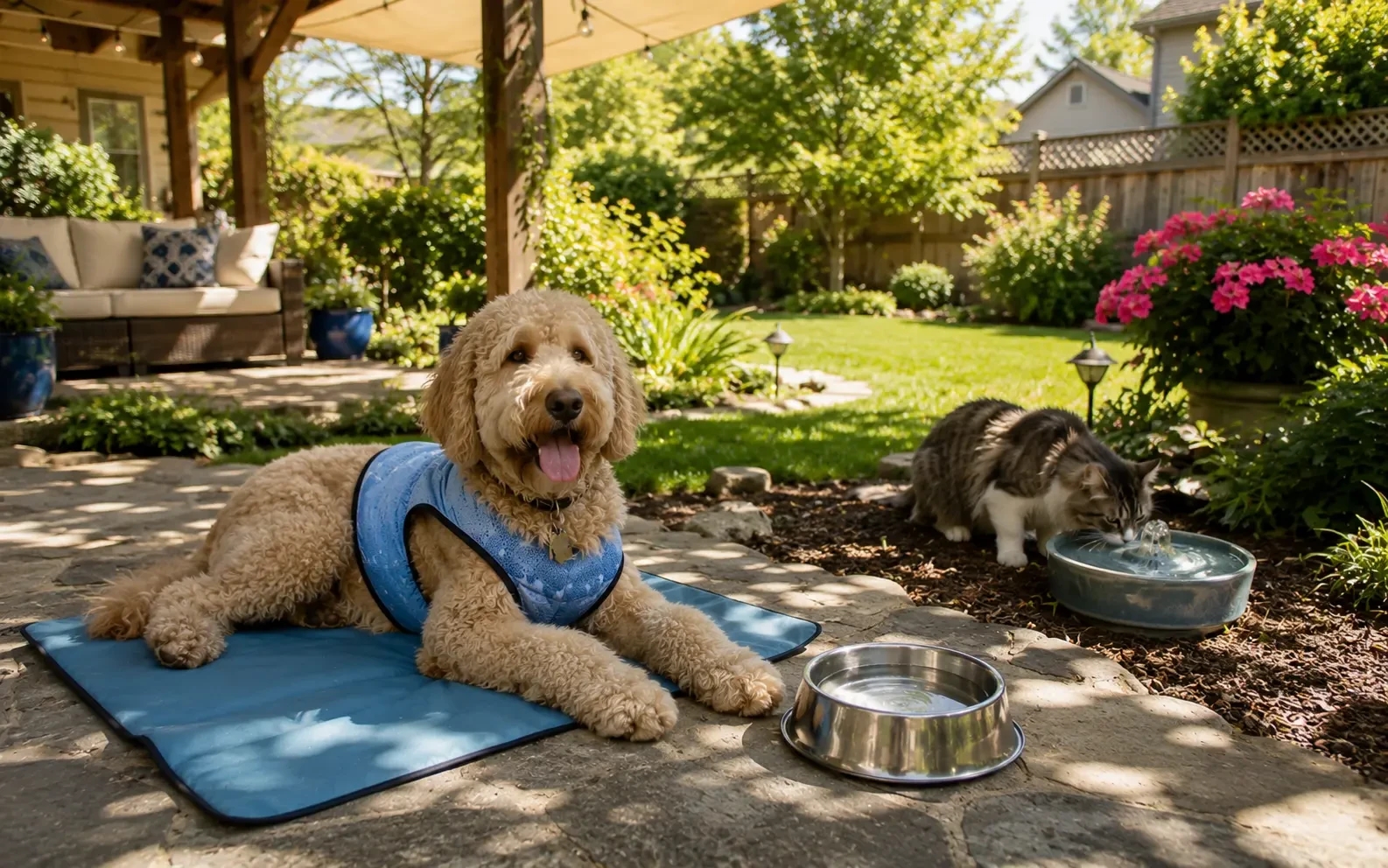
One practical solution gaining popularity among pet owners is the use of cooling vests. These lightweight garments use evaporative cooling technology to help reduce body temperature during walks and outdoor activities. Cooling vests can be especially beneficial for senior dogs, active breeds, thick-coated dogs, and brachycephalic breeds such as Bulldogs and Pugs.
Additional heat-prevention strategies include:
- Walking your dog during cooler morning or evening hours.
- Providing shaded areas for outdoor relaxation.
- Offering fresh, cool water throughout the day.
- Using cooling mats indoors.
- Avoiding strenuous activity during peak afternoon temperatures.
- Keeping pets away from hot pavement and artificial turf.
Heat exhaustion can develop quickly. Signs such as excessive panting, drooling, weakness, vomiting, or difficulty standing should be treated as an emergency requiring immediate veterinary attention.
Cat Hydration Heroes: Encouraging Healthy Drinking Habits
While dogs often drink water enthusiastically, cats can be much more selective. Their naturally low thirst drive may increase the risk of dehydration during warmer months.
Hydration plays a vital role in maintaining kidney health, urinary tract function, and overall wellbeing. Fortunately, there are several easy ways to encourage cats to drink more water.
Many cats are attracted to moving water. Pet fountains provide continuous circulation that often encourages increased water consumption.
Other hydration-boosting ideas include:
- Providing multiple water stations throughout your home.
- Serving canned food to increase moisture intake.
- Refreshing water frequently.
- Offering wide, shallow bowls that reduce whisker discomfort.
- Adding small amounts of water to wet food.
Pay attention to subtle signs of dehydration such as decreased appetite, lethargy, dry gums, or reduced activity levels. Early intervention can help prevent more serious complications.
Fireworks and Dogs: Preparing for Seasonal Celebrations
For many families, fireworks are a highlight of summer festivities. For dogs, however, loud explosions and flashing lights can be overwhelming and frightening.
Fireworks-related anxiety can range from mild nervousness to severe panic. Dogs may pace, hide, bark excessively, tremble, pant heavily, or attempt to escape when frightened.
Preparation is one of the most effective ways to reduce stress.
Before fireworks events occur, consider:
- Creating a quiet indoor safe space.
- Closing curtains and windows to reduce noise and visual stimulation.
- Playing calming music or white noise.
- Providing comfort items such as blankets or favorite toys.
- Exercising your dog earlier in the day to encourage relaxation later.
- Ensuring identification tags and microchip information are current.
If your dog has experienced severe noise anxiety in the past, speak with your veterinarian well before upcoming celebrations. Individualized anxiety management plans can significantly improve your pet's comfort.
Sunscreen for Pets: Protecting Sensitive Skin from UV Damage
Many pet owners are surprised to learn that dogs and cats can develop sunburn. Light-colored pets, animals with pink skin, and those with thin or sparse coats are particularly susceptible to UV damage.
Common areas affected by sun exposure include:
- Nose
- Ear tips
- Eyelids
- Belly
- Areas with minimal fur coverage
Repeated UV exposure may lead to skin irritation and long-term dermatological concerns.
To help protect your pet:
- Limit outdoor activity during peak sunlight hours.
- Provide shaded outdoor spaces.
- Use veterinarian-approved pet sunscreen on exposed skin.
- Consider UV-protective clothing when appropriate.
- Regularly monitor skin for redness, irritation, or unusual changes.
Human sunscreen products should never be used unless specifically approved by your veterinarian, as some ingredients may be harmful if licked or ingested.
A Healthy Summer Starts with Prevention
Summer safety extends beyond avoiding hot temperatures. Proper hydration, stress management, and UV protection are equally important components of your pet's seasonal wellness routine.
By recognizing potential risks early and taking preventive action, you can help your pet remain comfortable, healthy, and active throughout the season. Whether you are planning outdoor adventures, enjoying family gatherings, or simply relaxing at home, a little preparation can go a long way toward protecting your pet.
At Sunshine Hills Veterinary Clinic, we are committed to supporting your pet's health year-round. If you have questions about summer safety, hydration, skin health, anxiety management, or preventive care, our veterinary team is always here to help.
Together, we can make this summer a safe, enjoyable, and healthy season for every pet.
Sunshine Hills Veterinary Clinic
We're dedicated to supporting every step of your pet's journey, ensuring they live their best life from their first wellness exam to their golden years.